Boosting slow-growing corals survival to enhance reef restoration

  • Indonesia
  • Assisted reproduction
  • Coral restoration

Facing a challenge

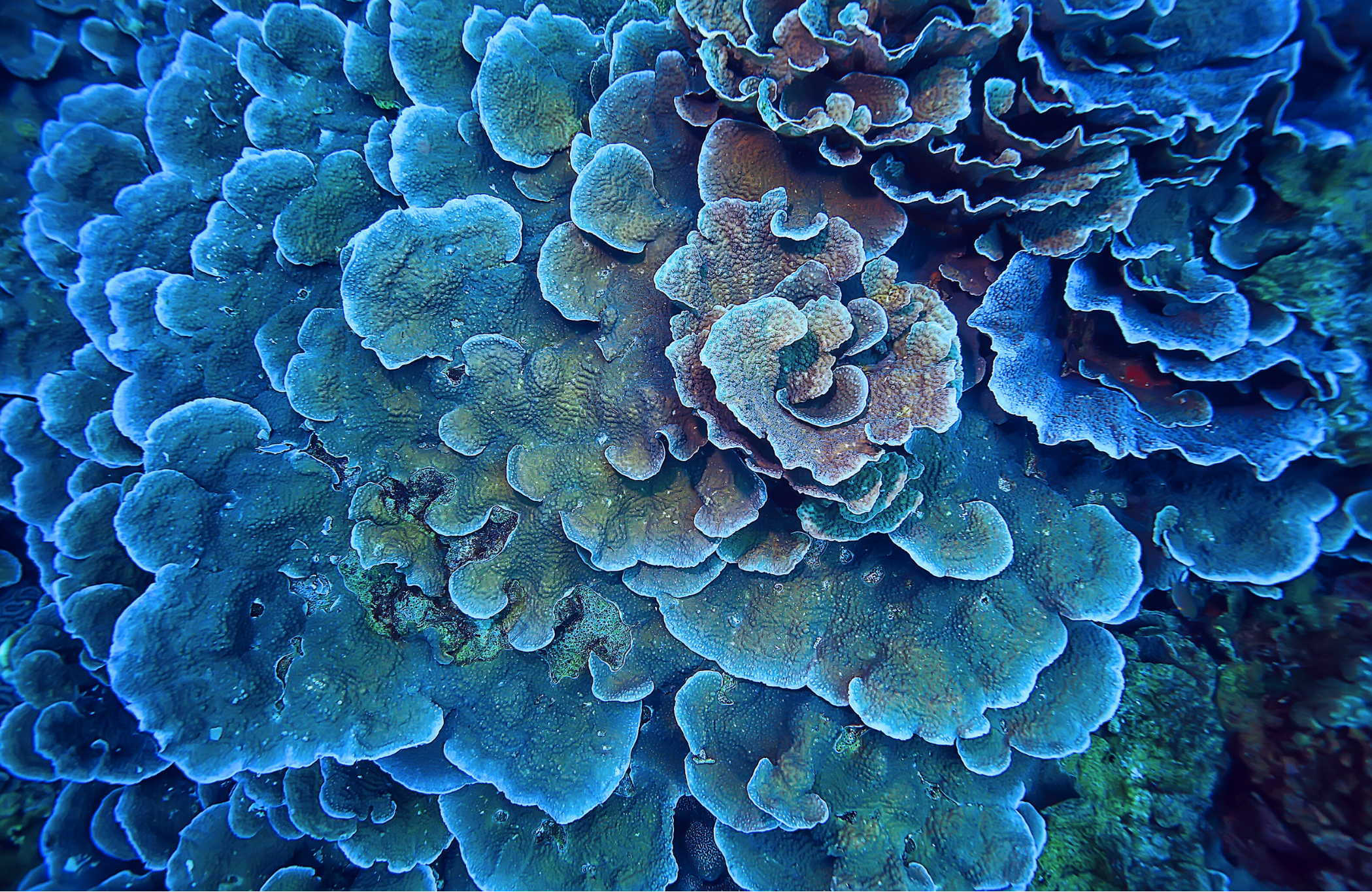
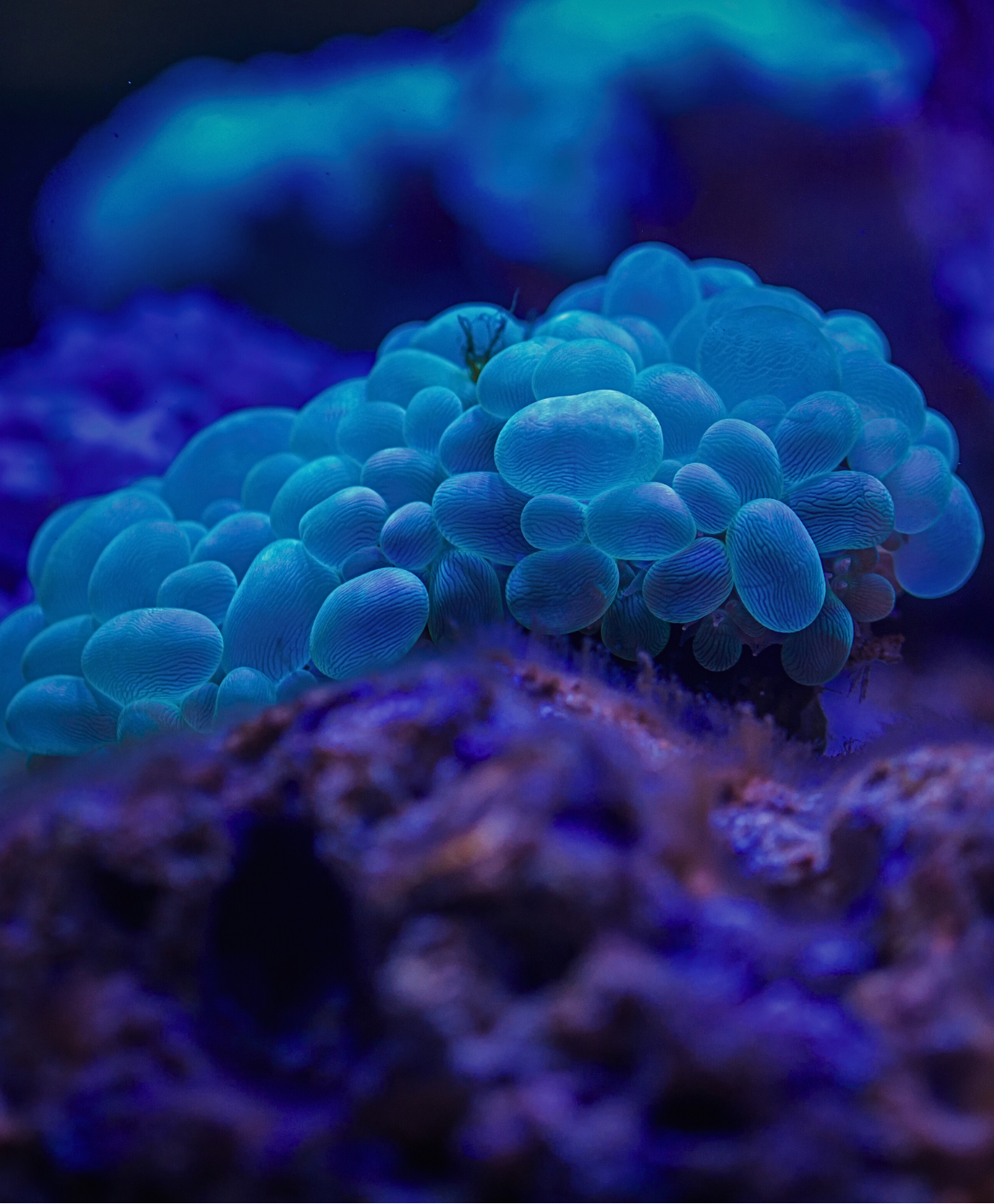
Coral transplantation efforts mostly focus on fast-growing species, leaving slower-growing large polyp stony (LPS) corals underrepresented and creating ecological imbalances. The decline or lack of LPS corals reduces biodiversity among reef-associated organisms and increases the vulnerability of reef ecosystems, threatening local livelihoods, tourism, and coastal protection. 
CHALLENGE

With an innovative solution

This project will counteract the lack of LPS coral restoration. To do so, the team will:
  • Track coral spawning throughout the year
  • Rear LPS coral larvae in aquaria, and monitor their growth and survival
  • Study coral symbiotic organisms
  • Tag and deploy juvenile coral previously grown in the lab to the restoration site
  • Monitor coral responses to varying light intensity, temperature, and water flow
  • Evaluate coral survival and growth biweekly for a year
  • Monitor water temperature, salinity, and clarity
SOLUTION

What impact looks like

  • Established ex situ spawning monitoring protocol for LPS corals
  • Locally adaptable, low-cost method with practical guidelines for outplanting LPS corals into in situ reef habitats
  • Strengthened local community engagement and participation in coral restoration
  • Provide site-specific insights to enhance ongoing restoration strategies in the region

Project Title

Low-cost ex situ and in situ approaches to enhance growth and adaptation of large polyp stony (LPS) corals in Indonesia

Lead

Dr. Suryo Kusumo

Co-leads

Silki Anisa Hidayat, Yunita Multi Cahyaningrum, Astri Ayuningtias, Ardaffa Firdausy Rahadiya

Countries involved

Indonesia

Takes place

Indonesia

Supporting institutions

Yayasan Karang Lestari Indonesia

Total budget

USD 77,841

Duration

November 2025 – November 2027

  1. 2025
  2. 2026
  3. 2027

Share this project

Email
X
Facebook
LinkedIn
WhatsApp