Securing the Future of Cold-Water Corals in Argentina's Deep Sea

  • Argentina, Exclusive Economic Zone
  • Capacity building
  • Coral restoration
  • Deep-sea exploration

Credits: ROV SuBastian Schmit Ocean Institute
Facing a challenge

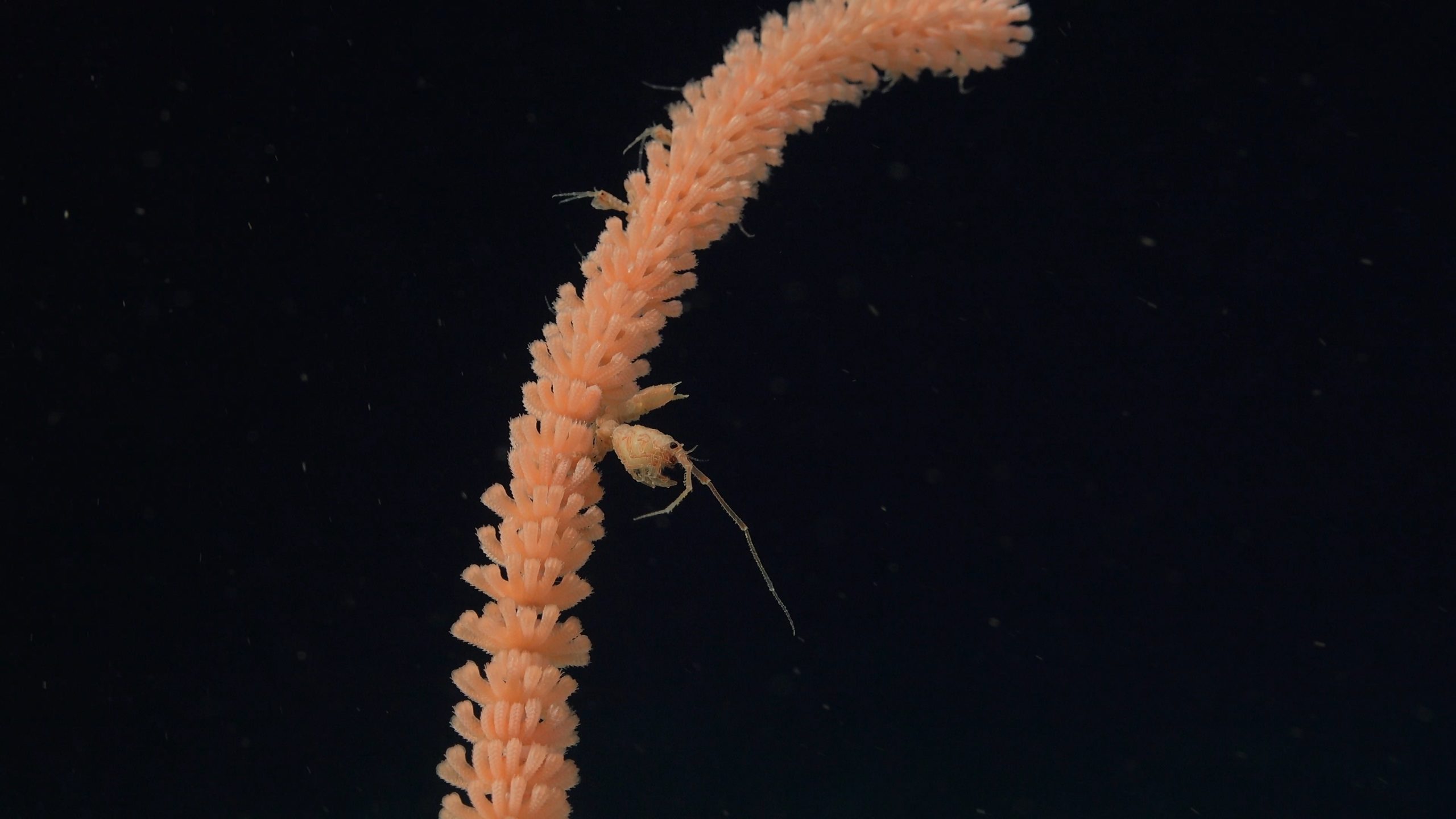
Cold-water corals (CWC) in the Argentinian Exclusive Economic Zone (EEZ) are at great risk due to climate change, ocean acidification, and growing industrialization of the deep ocean. Human activities, such as offshore energy development, deep-sea mining, and pollution are encroaching on these fragile ecosystems. Despite the rich biodiversity of CWC along Argentina’s coast, there is little baseline data on species presence, population status, and habitats, notably in areas targeted for oil and gas exploration. Argentinian deep-sea ecosystems risk disappearing before they are even studied.
CHALLENGE_credits ROV SuBastian Schmit Ocean Institute

Credits: ROV SuBastian Schmit Ocean Institute
With an innovative solution

To document and protect the vulnerable deep-sea ecosystems off Argentina’s coast, the team will:
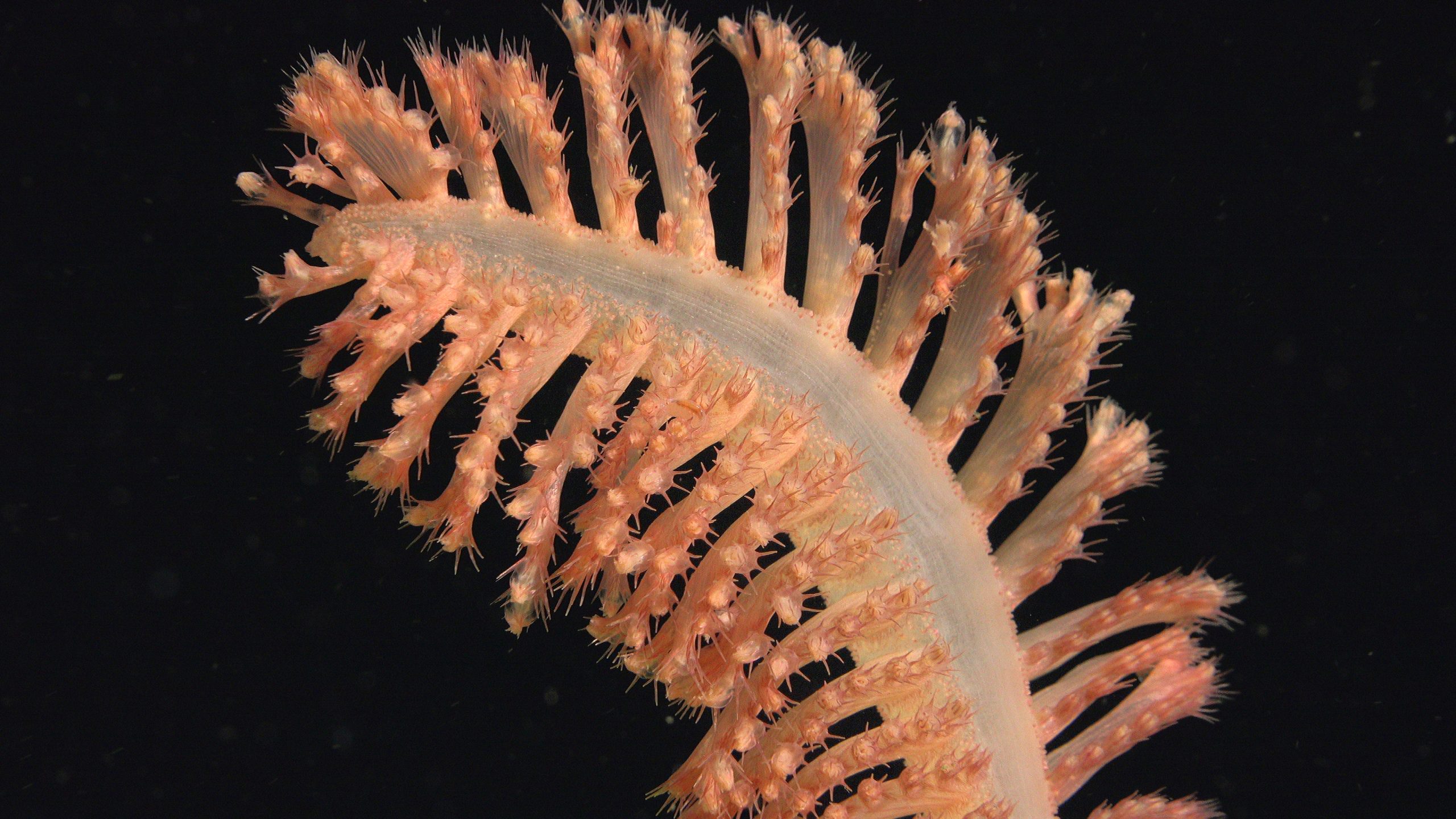
  • study three areas within the Argentine EEZ extending over 3000 m depth (the northern continental slope, the Patagonian Continental Margin, and the sub-Antarctic region of the Drake Passage)
  • pioneer a baseline for CWC, documenting species composition, abundance, habitats, and oceanographic conditions
  • conduct field video and physical surveys using advanced tools: a towed camera-sled system, remotely operated vehicles (ROVs), and environmental DNA (eDNA) sampling to monitor coral distribution, biodiversity, habitat types, and interactions with commercially valuable species
  • inform policymakers with new knowledge to guide conservation and management efforts
  • start the first active restoration program for CWC in the southwestern Atlantic, by deploying 3D-printed coral structures in areas impacted by trawling
  • revisit monitored sites in the future to assess colonization and habitat use by other species
  • involve the local community through workshops and immersive experiences to raise awareness and influence conservation policies
SOLUTION_credits ROV SuBastian Schmit Ocean Institute

Credits: ROV SuBastian Schmit Ocean Institute

What impact looks like

  • Increase of deep-sea knowledge by discovering and documenting new deep-sea species
  • Lay the groundwork for future restoration initiatives in the deep waters of the Southwestern Atlantic Ocean, significantly advancing Argentinian capacity for CWC research and conservation
  • Strengthen local biodiversity and ecology research infrastructure, with a focus on upscaling CWC research in the Global South
  • First in situ observations and sampling of CWCs in Argentina’s deep-sea, contributing to global biogeographic knowledge
  • Initiation of the first coral restoration project in the deep waters of the Southwestern Atlantic Ocean

Project Title

Securing the Future of Cold-Water Corals in Argentina's Deep Sea

Lead

Prof. Erik Cordes

Co-leads

Dr. Daniel Lauretta, Ms. Maria Emilia Bravo, Dr. Santiago Herrera, Dr. Andrea Quattrini

Countries involved

Argentina and USA

Takes place

Argentina

Supporting institutions

Temple University (USA), CONICET (Argentina), Universidad de Buenos Aires (Argentina), Lehigh University (USA), Smithsonian Institution, National Museum of Natural History (USA)

Total budget

USD1,489,102

Duration

September 2024 - August 2027

    • Documented the first cold-water coral reef of Bathelia candida in Argentinian waters
    • Discovered over 40 potential new deep-sea species
    • Live-streamed deep-sea dives to over 21 million viewers, raising unprecedented public awareness
    • Performed two deep-sea expeditions
  1. 2026
  2. 2027

Share this project

Email
X
Facebook
LinkedIn
WhatsApp