CORALADAPT: identifying heat-resistant corals

  • Philippines
  • Palau
  • Assisted reproduction
  • Climate adaptation and resilience

Credits: JamesGuest

Facing a challenge

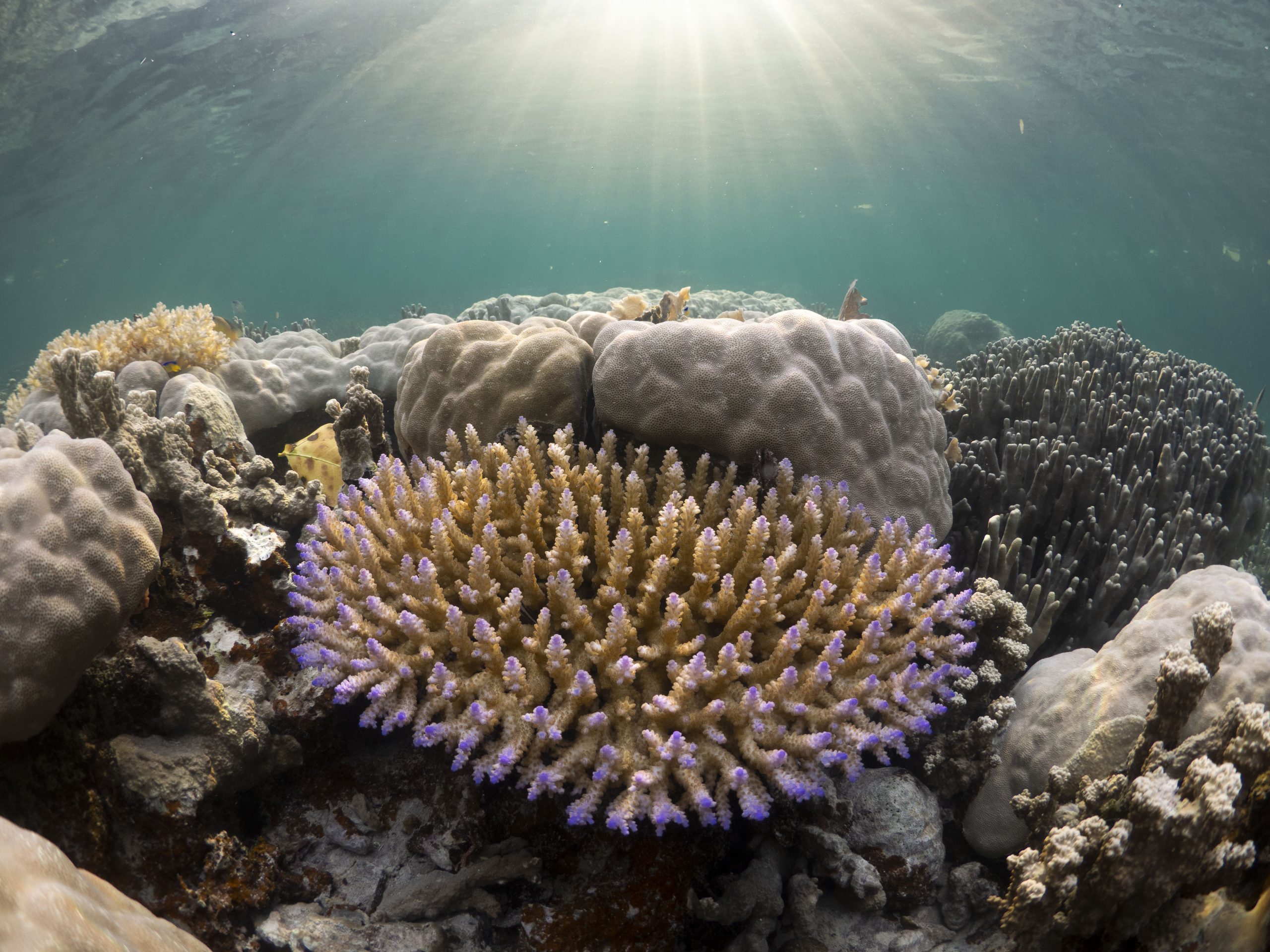
Tropical coral reefs face multiple threats, particularly climate change, including rising seawater temperatures. To survive, corals need to adapt to ever-changing environmental conditions, but the ocean is warming faster than most coral species can adapt. Without human intervention to enhance corals’ capacity to survive in a warmer ocean — and with other threats continuing to accumulate — coral reefs risk disappearing.
OLYMPUS DIGITAL CAMERA

Credits: JamesGuest

With an innovative solution

The CORALADAPT project will artificially assist coral evolution by selecting the most heat-tolerant corals and then use these as mother colonies to repopulate the reefs in the Philippines and Palau. The team will:
  • cross corals to produce family lines
  • measure heat tolerance and growth rates 
  • estimate genetic variance and heritability of relevant traits from mother to daughter colonies
  • develop coral reef restoration strategies that include assisted evolution techniques and consider the heritability of heat tolerance
  • create decision-based model outputs, which will be synthesized and made available online for both the scientific community and broader audiences
SOLUTION_creditsJamesGuest

Credits: JamesGuest

What impact looks like

  • Interactive models for restoration outcomes and design, guiding users on how to maximize restoration benefits over ecological time scales and prioritize restoration spatially
  • Principles of restoration with adaptation and effective combinations of restoration and other management actions 
  • Informing national restoration policies in the Philippines and Palau
  • Advancing global coral conservation and coral restoration efforts

Project Title

Quantifying and operationalising genetic adaptation for successful coral restoration (CORALADAPT)

Lead

Dr. James Guest

Co-leads

Dr. Gerard Ricardo, Dr. Bozec Yves-Marie, Prof. John Bythell, Prof. Pete Mumby, Dr. Maria-Vanessa Baria-Rodriguez, Dr. Victor Ticzon, Prof. Rachel Ravago Gotanco, Prof. Aletta Yñiguez, Dr. Yimnang Golbuu, David Idip, Dr. Adriana Humanes

Countries involved

Australia, United Kingdom, Philippines, and Palau

Takes place

Philippines and Palau

Supporting institutions

University of Queensland, Newcastle University, University of the Philippines, Palau International Coral Reef Center, Palau Automated Land and Resource Information Systems

Total budget

USD 1,499,302.00

Duration

January 2024 – December 2026

    • Completed the first multi-season fieldwork in Palau and the Philippines
    • Conducted heat-stress experiments on corals
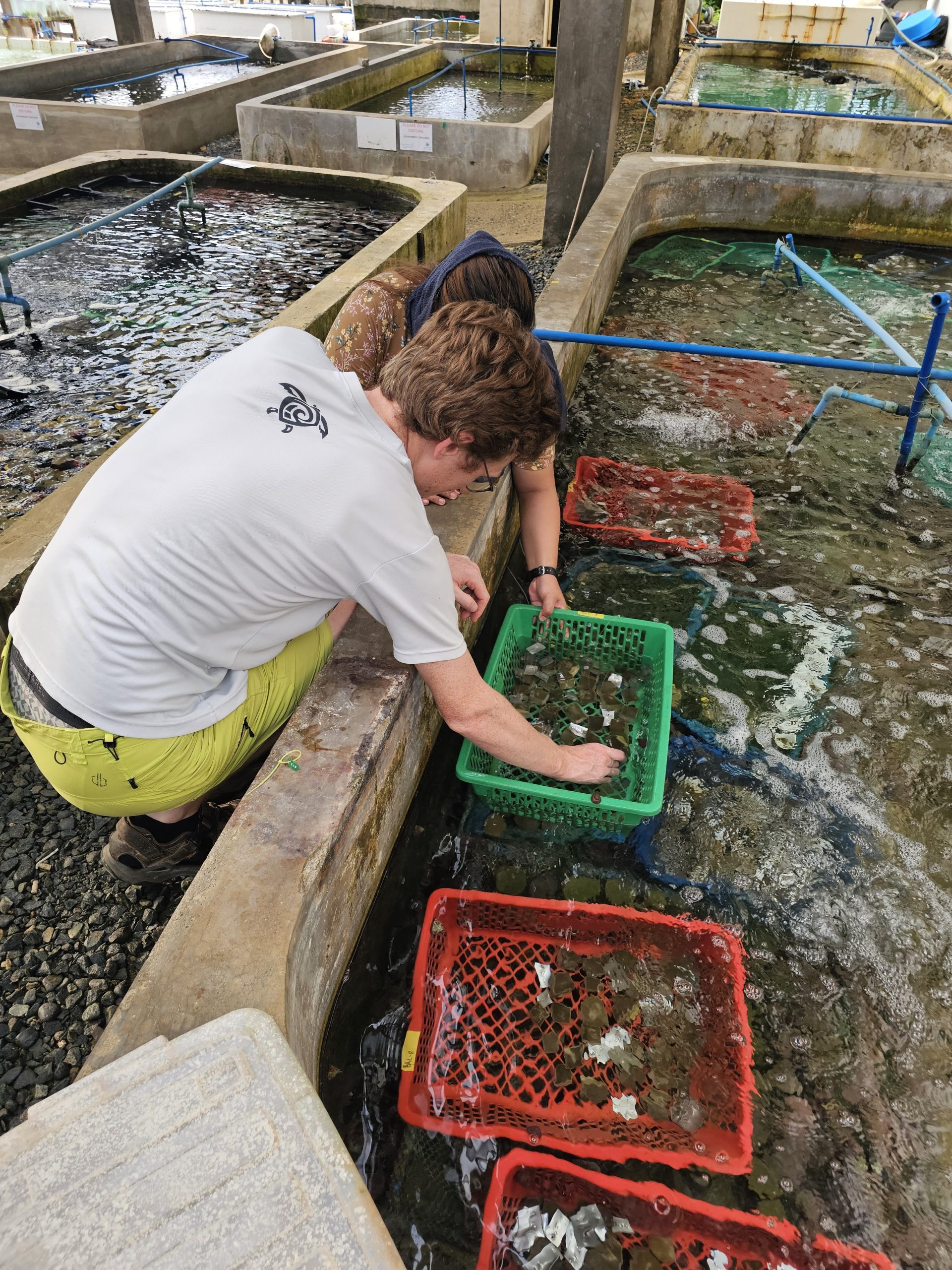
    • Tracked coral spawning in the Philippines and reared corals in an outdoor hatchery
    • Outplanted 1,800 coral fragments from different species across six sites
    • Achieved high survival of outplanted corals (80%) after four months
    • Developed a model showing how coral colonies are connected in the Bolinao-Anda Reef Complex (BARC)
    • Optimized molecular techniques to identify species of microalgae living inside corals (family Symbiodiniaceae, also known as zooxanthellae)
  1. 2026
  2. 2027

Share this project

Email
X
Facebook
LinkedIn
WhatsApp