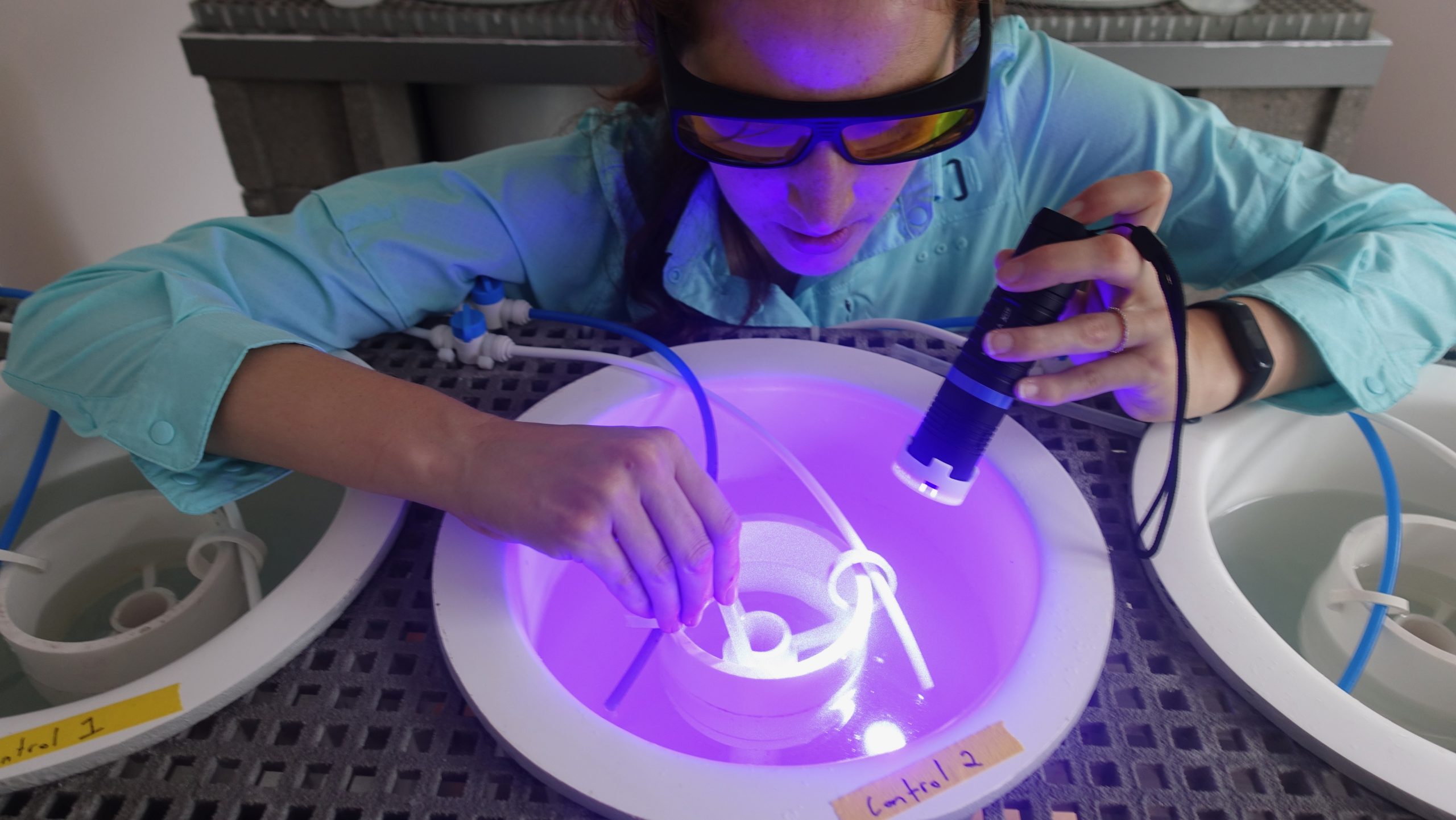
Nurturing young corals in the Mesoamerican Reef

  • Honduras, Roatán
  • United States, California
  • Assisted reproduction
  • Capacity building
  • Climate adaptation and resilience

Credits: GayleLaird and California Academy of Sciences
Facing a challenge

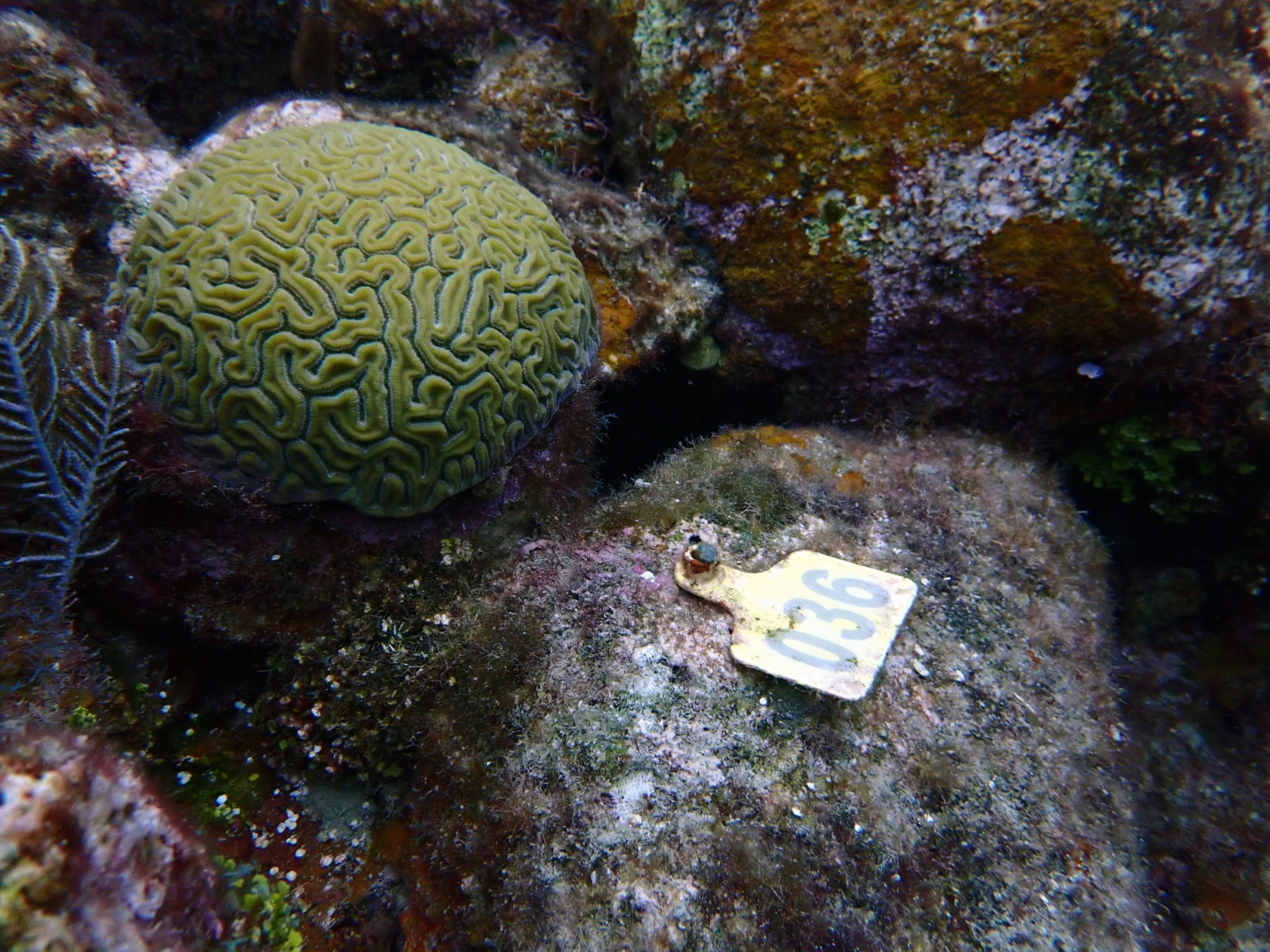
Coral reefs are critical ecosystems that support millions of livelihoods. However, they are rapidly degrading due to global threats such as climate change, as well as local stressors like water contamination and habitat destruction. As coral populations decline in the wild, fewer corals are able to meet and reproduce, further reducing the chances of reef recovery. Although scientists have begun supporting coral reproduction through assisted sexual reproduction, the high mortality rate of young corals remains a major barrier to large-scale restoration.
CHALLENGE_Rebecca-Albright

Credits: Rebecca Albright

With an innovative solution

To improve the health, growth, and survival of coral larvae and settlers, the team will test different techniques to help corals better cope with rising water temperatures. To do this, the team will:
  • build a low-cost research facility at Roatán Marine Park (Honduras) to support assisted sexual reproduction
  • track and document coral spawning in Roatán
  • test four treatments: (1) adding carbonate to the water to support skeleton formation, (2) providing energy supplements, (3) introducing symbiotic algae, and (4) selecting heat-resilient corals; and evaluate how larvae respond to stress
  • trial these treatments in the wild to assess their impact on coral restoration outcomes
  • train stakeholders from across the Mesoamerican Reef region in coral husbandry and the developed intervention techniques
SOLUTION_credit California Academy of Sciences

Credits: California Academy of Sciences

What impact looks like

  • Establishment of a coral restoration centre in Roatán, Honduras
  • Increased knowledge and capacity among local communities and partners in the Mesoamerican Reef region, supporting future restoration efforts
  • Development of accessible and scalable coral reproduction and growth techniques, enabling wider adoption by marine protected areas worldwide
  • Development of a bilingual manual (English/Spanish) to spread knowledge in the region

Project Title

Reviving reefs: boosting coral sexual reproduction for Mesoamerican reef restoration

Lead

Dr. Rebecca Albright

Co-leads

Dr. Elora López-Nandam, Andrea Godoy Mendoza and Jennifer Keck

Countries involved

United States of America and Honduras

Takes place

California (USA) and Roatán Marine Park (Honduras)

Supporting institutions

California Academy of Sciences, Roatán Marine Park

Total budget

USD 1,499,454

Duration

January 2024 – October 2026

    • Observed Acropora millepora spawning at the California Academy of Sciences, USA, with successful testing of all four culturing interventions
    • Monitored Orbicella faveolata spawning in Roatán, Honduras
    • Tracked the growth and survival of juvenile Acropora millepora corals across all four culturing interventions—some grew up to 70 times in just six months
    • Constructed and inaugurated the Coral Restoration Center of Roatán (CRCR), the first ex situ larval rearing lab in Central America
    • Successfully reared and outplanted approximately 3,000 Diploria labyrinthiformis recruits, restoring around 75 m² of reef
    • Documented first recorded mass spawning event of Orbicella faveolata in Roatán
  1. 2026

Share this project

Email
X
Facebook
LinkedIn
WhatsApp