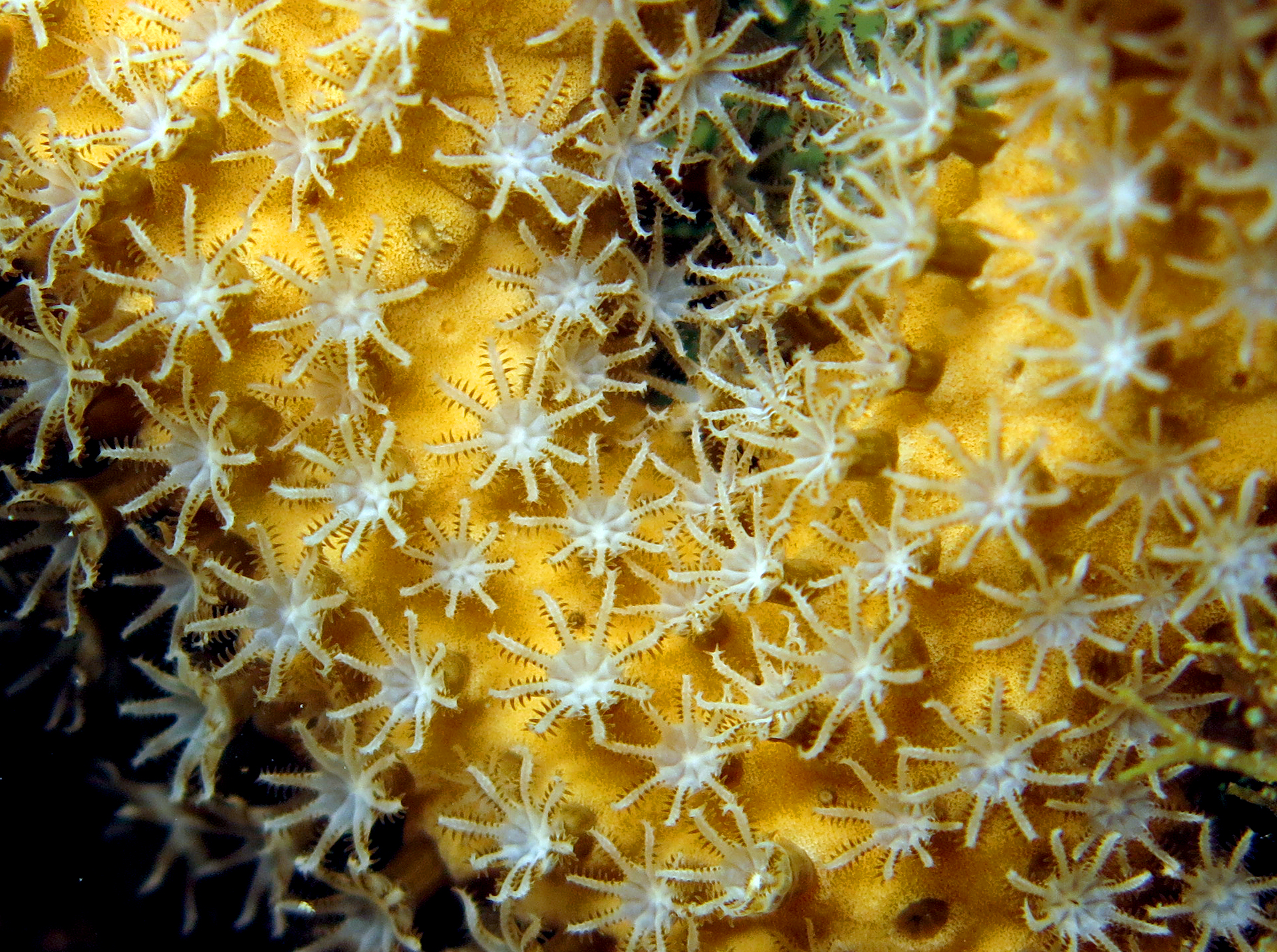
Repairing Brazilian coral reefs with probiotics

  • Brazil, Northeast
  • Community-based approaches
  • Coral disease prevention and treatment
  • Coral restoration

Credits: Pedro Pereira
Facing a challenge

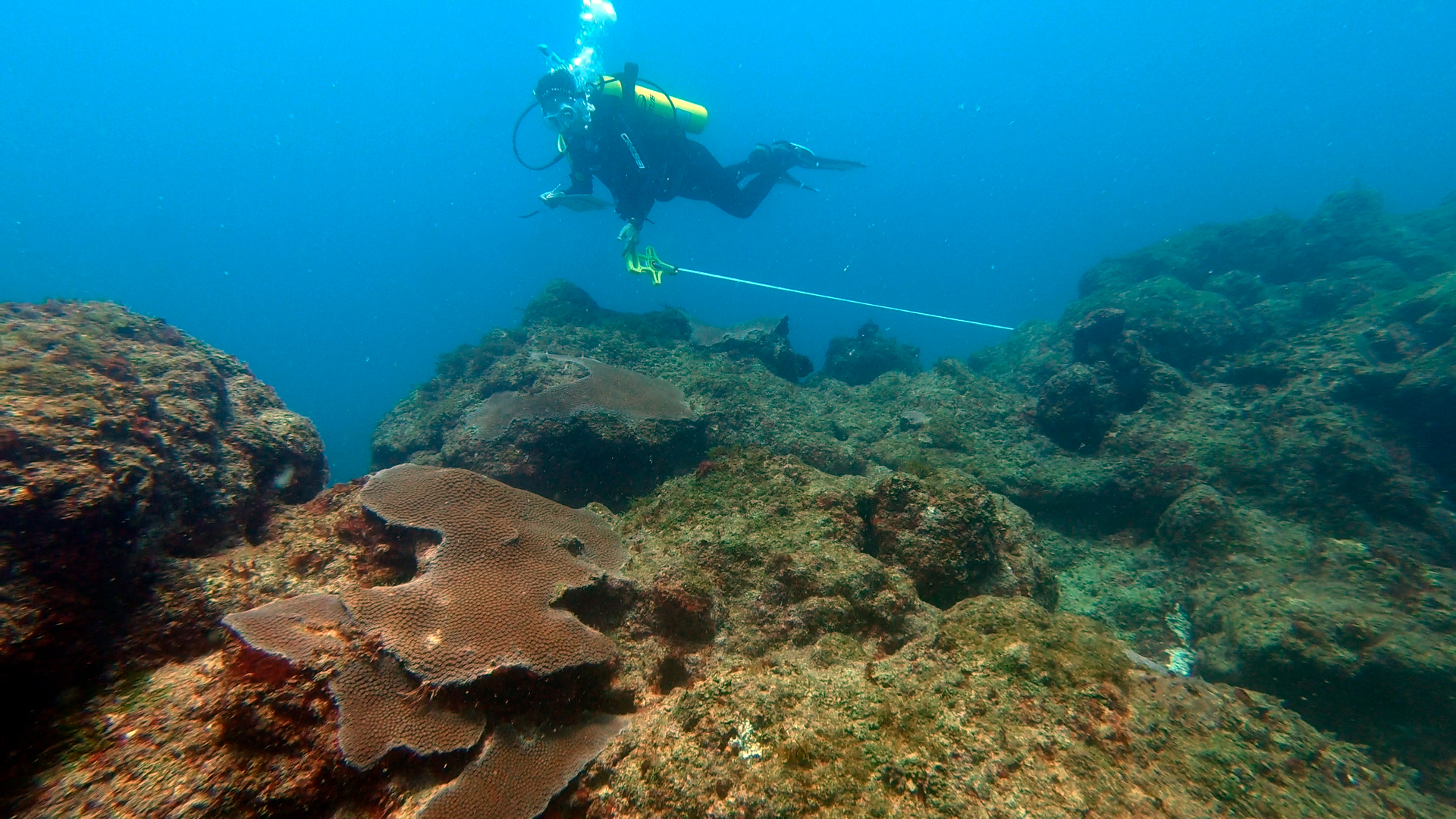
Brazil’s unique marginal reefs are biodiversity hotspots, home to species found nowhere else on Earth. Yet, after recent mortality events that have wiped out up to 100% of some coral species, these reefs now face the risk of local extinction. No restoration strategies currently address the urgent need to boost coral health and stress tolerance in these extreme environments.
CHALLENGE_credits_PedroPereira

Credits: Pedro Pereira

With an innovative solution

The research team is pioneering the use of probiotics on Brazilian reefs for the first time. They will:
  • validate the use of probiotics, strengthening coral colonies before transplantation
  • perform a real-world test, applying probiotics on wild corals both inside and outside marine protected areas, to evaluate their effectiveness under real stress conditions
  • support regional and national policy actions by developing management protocols for integrating probiotic treatments into reef restoration and conservation plans
SOLUTION_credits_PedroPereira

Credits: Pedro Pereira

What impact looks like

  • Counteract local extinction of four endemic and endangered coral species (Mussismilia hartti, M. hispida, Millepora alcicornis, and Mi. braziliensis) by supporting active restoration and treating 50+ coral colonies with probiotics inside and outside marine protected areas
  • Effective probiotics contribute to large-scale global coral restoration efforts
  • Increased connection of local community with coral restoration by involving local fisherwomen and a collaborative network of local youth as leading stakeholders

Project Title

REPAIR Coral: Integrated Probiotic Ecological Restoration Network for Marginal Coral Reefs

Lead

Dr. Pedro Henrique Cipresso Pereira

Co-leads

Dr. Flávia Lima do Carmo, Dr. Henrique Fragoso dos Santos, Dr. Gustavo Duarte, Dr. Phillipe Rosado Magalhães, Luisa Guilherme França Côrtes da Silva

Countries involved

Brazil and Saudi Arabia

Takes place

Northeast Brazil

Supporting institutions

Projeto Conservação Recifal (PCR), Federal University of Rio de Janeiro (UFRJ), Fluminense Federal University, King Abdullah University of Science and Technology (KAUST)

Total budget

USD 99,320

Duration

November 2025 – October 2027

  1. 2025
  2. 2026
  3. 2027

Share this project

Email
X
Facebook
LinkedIn
WhatsApp